

 +86 512 6938 3264
Introduction: The Hardware Gap Is Narrowing
In recent years, one trend in machining has become increasingly clear:
workshops are starting to look the same.
The same multi-axis machines.
The same control systems.
Even similar brand choices.
As long as the budget allows, equipment itself is no longer a barrier.
The era when “buying a better machine” could create a decisive advantage is largely over.
But this raises a new question:
With the same machines, why do some workshops run smoother and more efficiently, while others struggle to improve?
The answer is simple:
the gap is no longer in the hardware.
The Reality: Most Problems Exist Beyond the Machine
Powering up a machine is only the beginning.
What truly impacts profitability are the small, daily operations that are rarely managed systematically:
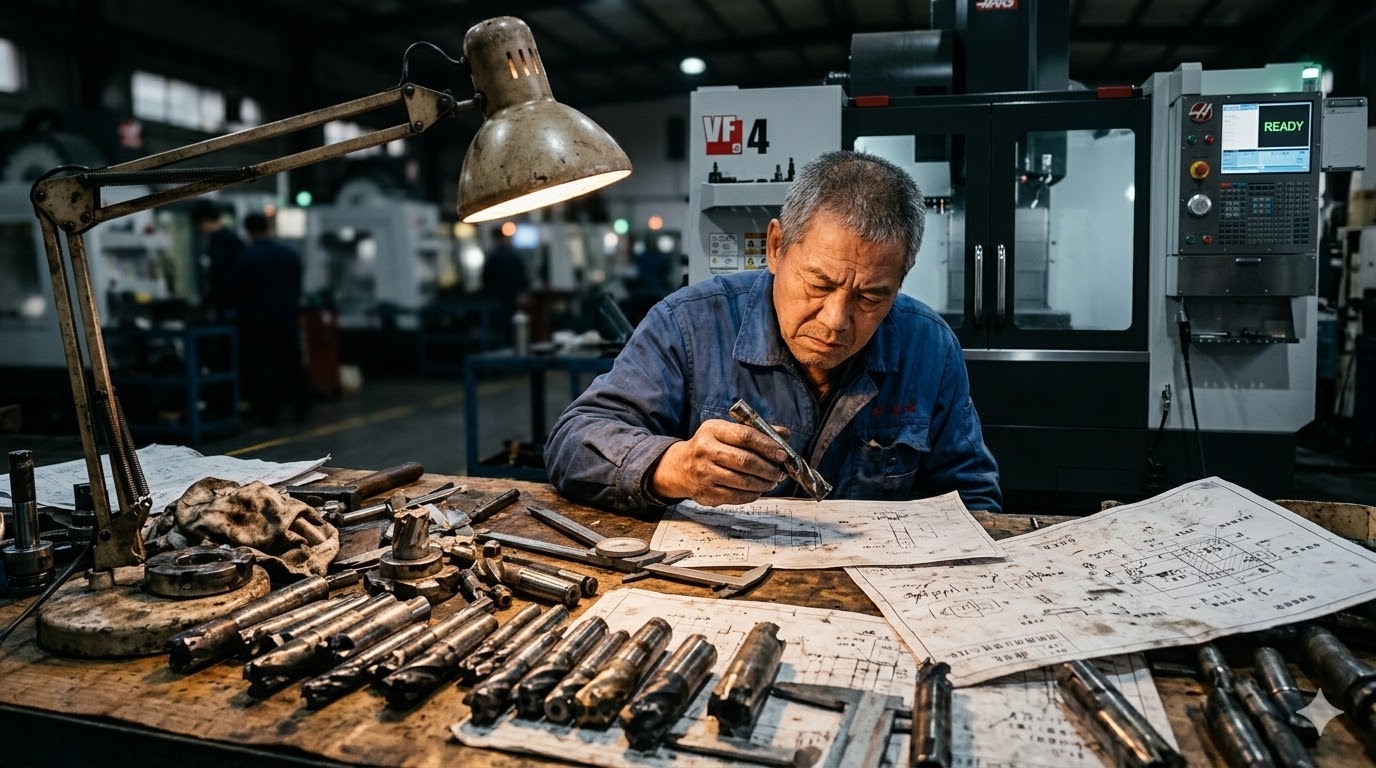
New parts require repeated trial cutting and parameter adjustments
Tool replacement depends heavily on operator experience
Tool breakage and unexpected downtime occur frequently
Inventory appears sufficient, yet production still faces shortages
Individually, these issues seem minor.
But together, they consume time, increase costs, and disrupt production rhythm.
Many losses are not caused by inadequate machines—
but by a lack of continuous management and operational support.
The Shift: Customers Are Rethinking Suppliers
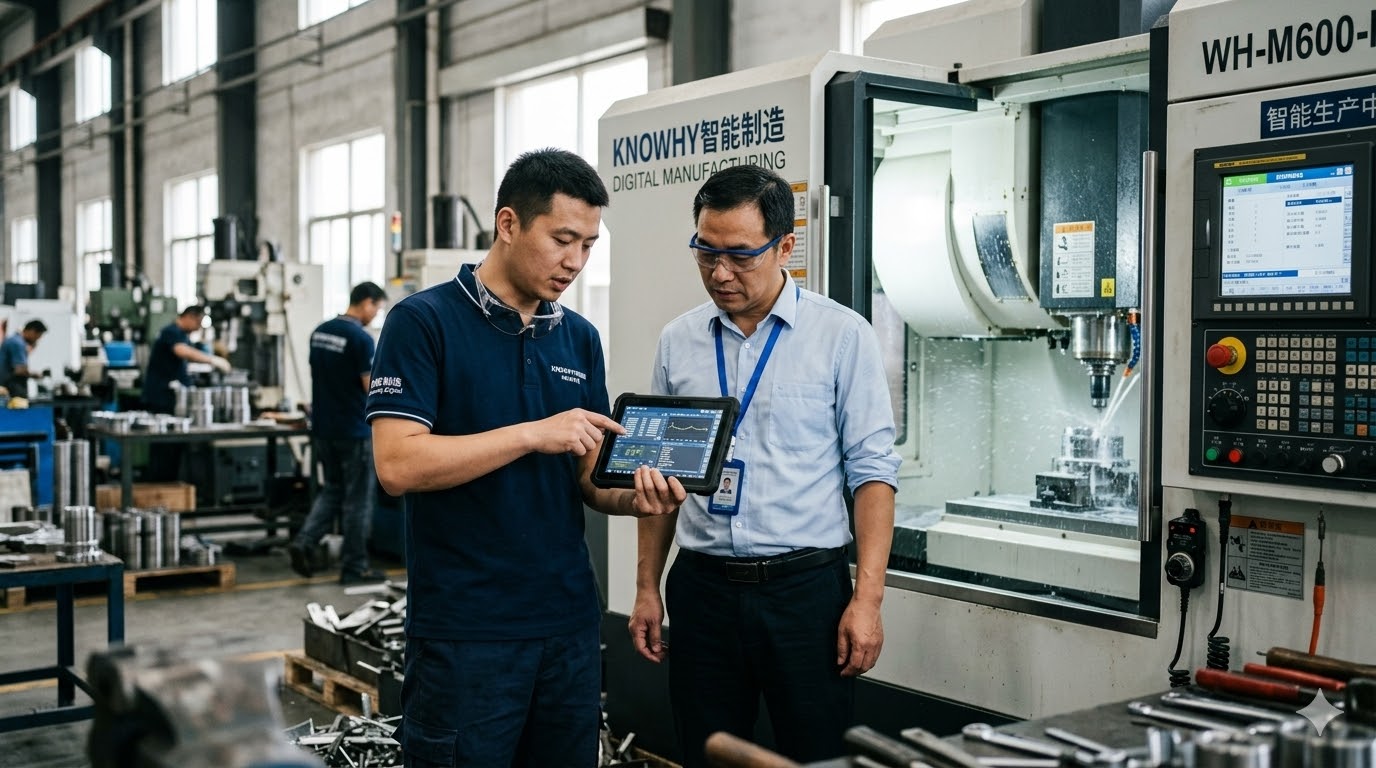
More manufacturers today are asking a new question when selecting suppliers:
Who will help us use the equipment effectively after installation?
The focus is shifting from what to buy to:
Can the machine run stably over time?
Is there ongoing support when issues arise?
Can production rhythm be continuously optimized?
Ultimately, competition is no longer about a single product.
It’s about the ability to keep production running smoothly over the long term.
Back to the Shop Floor: Cutting Management
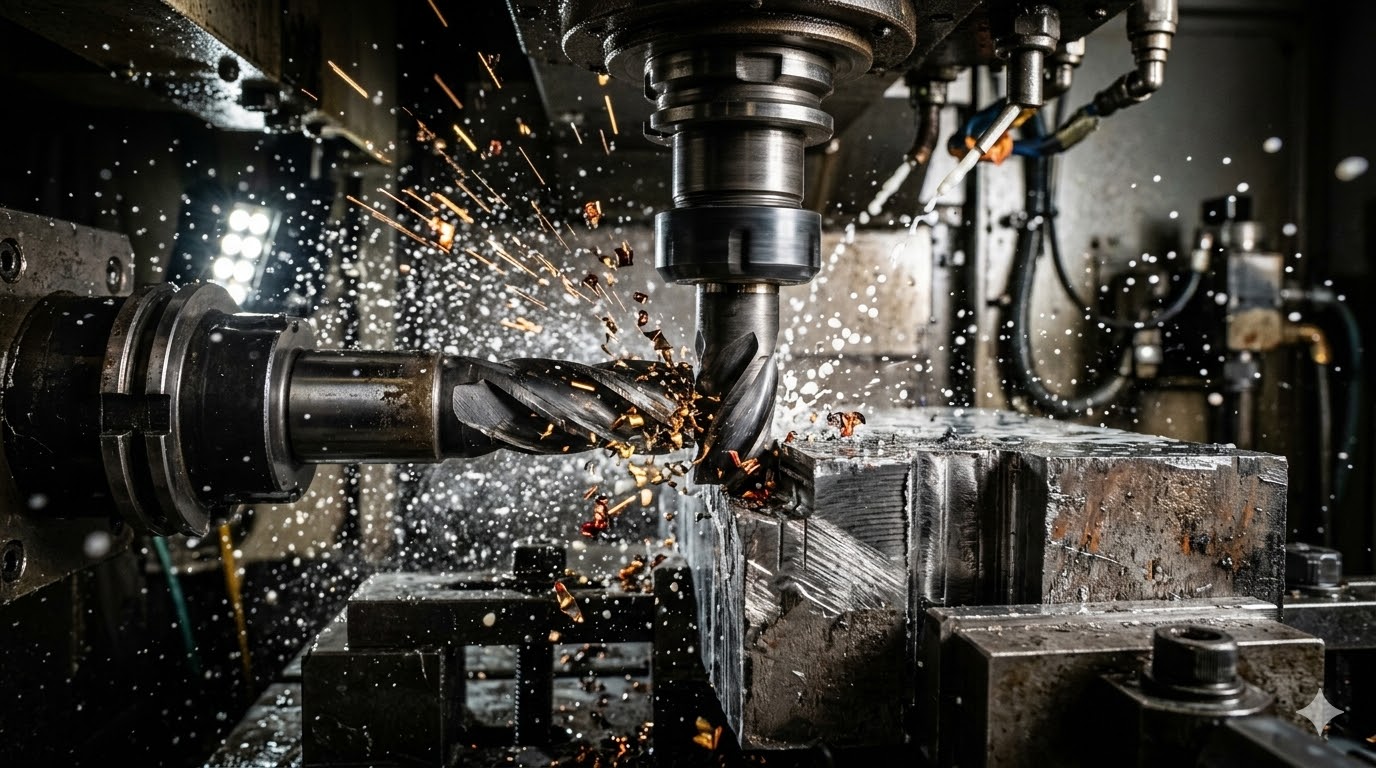
On the machining floor, one of the most common challenges lies in tooling.
Many companies invest heavily in tools, yet still face persistent issues:
Unstable tool lifespan
Fluctuating consumption
Growing inventory
Little to no usable data
In most cases, this is not a tooling quality issue.
It is a lack of a sustainable cutting management system.
The same tool can perform very differently across workshops—or even across shifts—
and this is where the real difference lies.
What Knowhy Does
At Knowhy, our focus is simple:
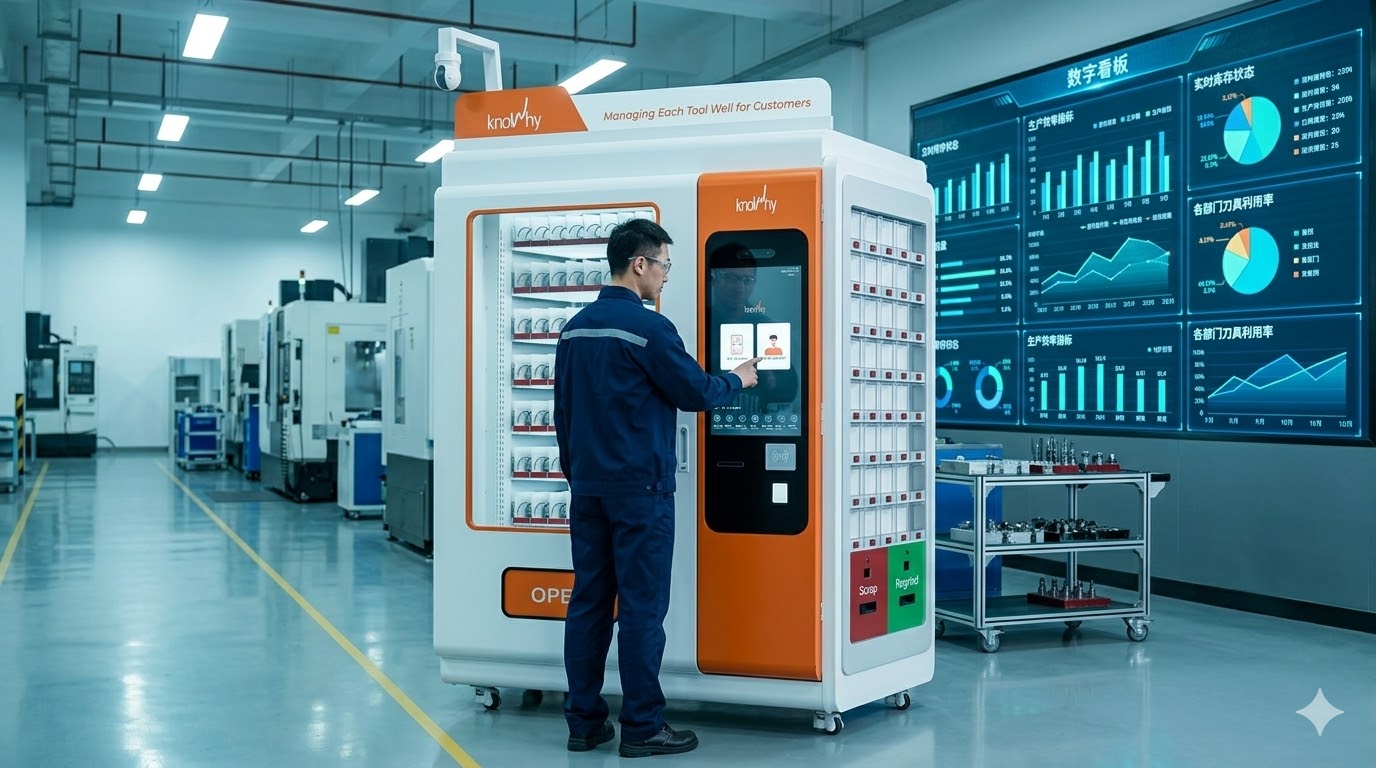
to transform tooling from fragmented management into a structured, data-driven system.
We help factories answer key operational questions:
Who is using each tool?
What is its current condition?
When is the optimal replacement point?
Is the current inventory truly reasonable?
The goal is to move the shop floor from:
experience-based → data-visible → continuously optimizable
This transformation doesn’t happen overnight.
But step by step, it helps bring uncontrolled variables back into control.
Conclusion: The Gap Widens Gradually
While machines are becoming increasingly similar,
production outcomes are not.
Some workshops achieve:
More stable tool performance
Clearer inventory structures
Fewer unplanned downtimes
Others remain stuck in:
Repeated trial-and-error
Frequent interruptions
Uncontrolled costs
This is how the gap between competitors gradually widens.
Machines can be purchased.
But using them effectively cannot be solved with a one-time investment.
As hardware becomes standardized, the real differentiators are often invisible:
systematic management and continuous service capability.
If your workshop is facing challenges such as high trial costs or unclear tooling consumption,
feel free to reach out or contact us for a deeper discussion.