

 +86 512 6938 3264
China’s 2026 Two Sessions once again sent strong signals about the future of industrial manufacturing.
Terms such as industrial mother machines, new quality productive forces, and AI + manufacturing appeared repeatedly in policy discussions.
At first glance, these policy buzzwords may seem far removed from a machining shop floor. But when we place these signals alongside the reality of manufacturing operations, an interesting observation emerges:
Many of these changes are already happening inside factories.
Broadly speaking, the machining industry is evolving along three directions:
high-end capability, technological independence, and intelligent manufacturing.
And ultimately, all three trends converge in one place:
the cutting process on the shop floor.

Keyword 1: Industrial Mother Machines
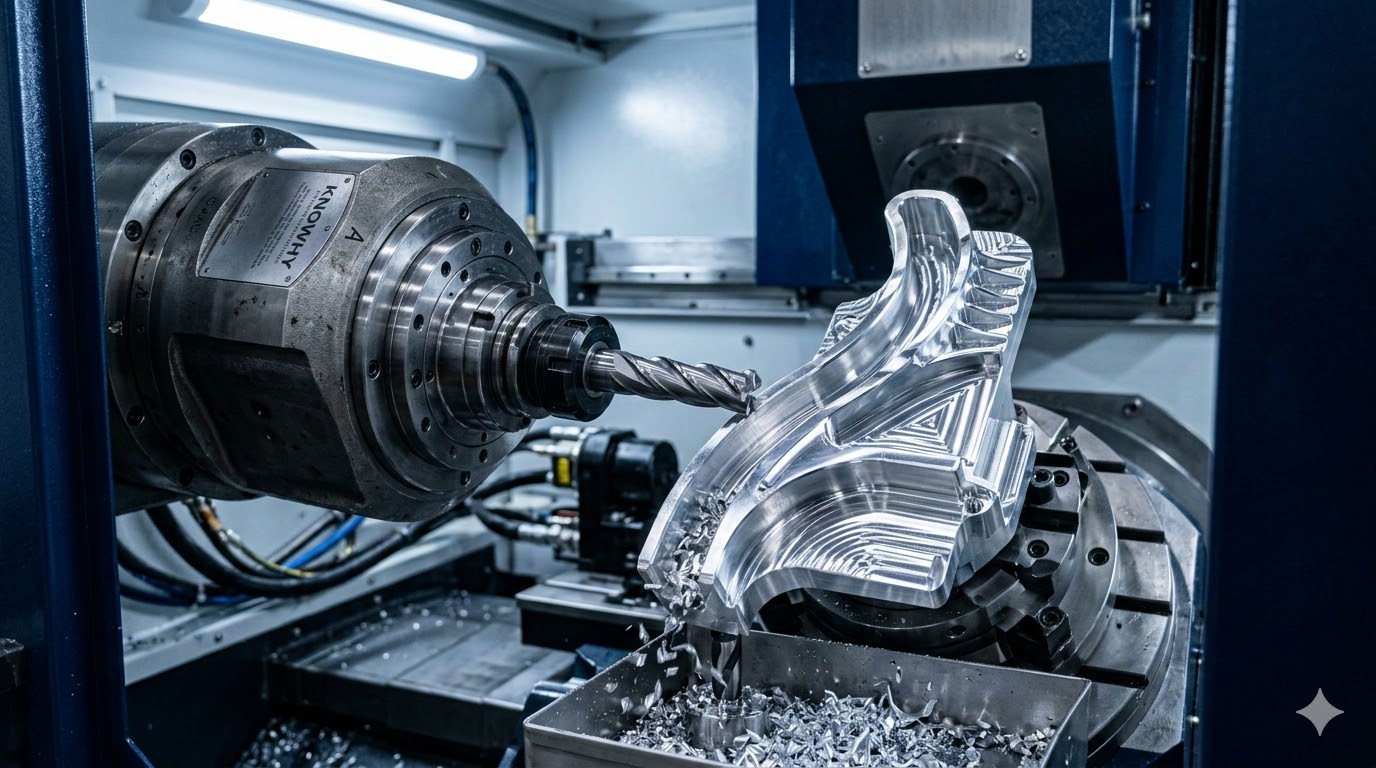
The Real Competition Lies in Machining Stability
This year’s Two Sessions once again emphasized the strategic importance of industrial mother machines.
Much of the discussion focuses on machine tools, CNC systems, ball screws, and bearings.
However, in real production environments, engineers care about a much simpler question:
Can the machine run stably?
Machining stability depends on many factors, including:
Process planning
Tool selection and matching
Tool lifespan
Tool replacement timing
If tool management lacks visibility and control, even the most advanced machines struggle to deliver their true performance.
More and more manufacturers are beginning to recognize an important reality:
Half of a machine tool’s capability lies in the machine itself.
The other half lies in cutting management.
In many machining factories, tools used to be treated as simple consumables stored in the warehouse. Today, they are increasingly becoming part of the production system itself.
Keyword 2: New Quality Productive Forces
Data Is More Than Machine Data
The term “new quality productive forces” appeared repeatedly during the Two Sessions.
In manufacturing contexts, it is often interpreted as:
More advanced equipment
More automated production lines
More intelligent systems
But on the machining shop floor, many critical data points have historically remained unrecorded:
Actual tool lifespan
Tool consumption per part
Tool inventory structure
Utilization of partially used tools
Without this data, it becomes extremely difficult for manufacturers to truly optimize processes.
Over the past few years, many factories have started doing something that was rarely done before:
digitizing tool management.
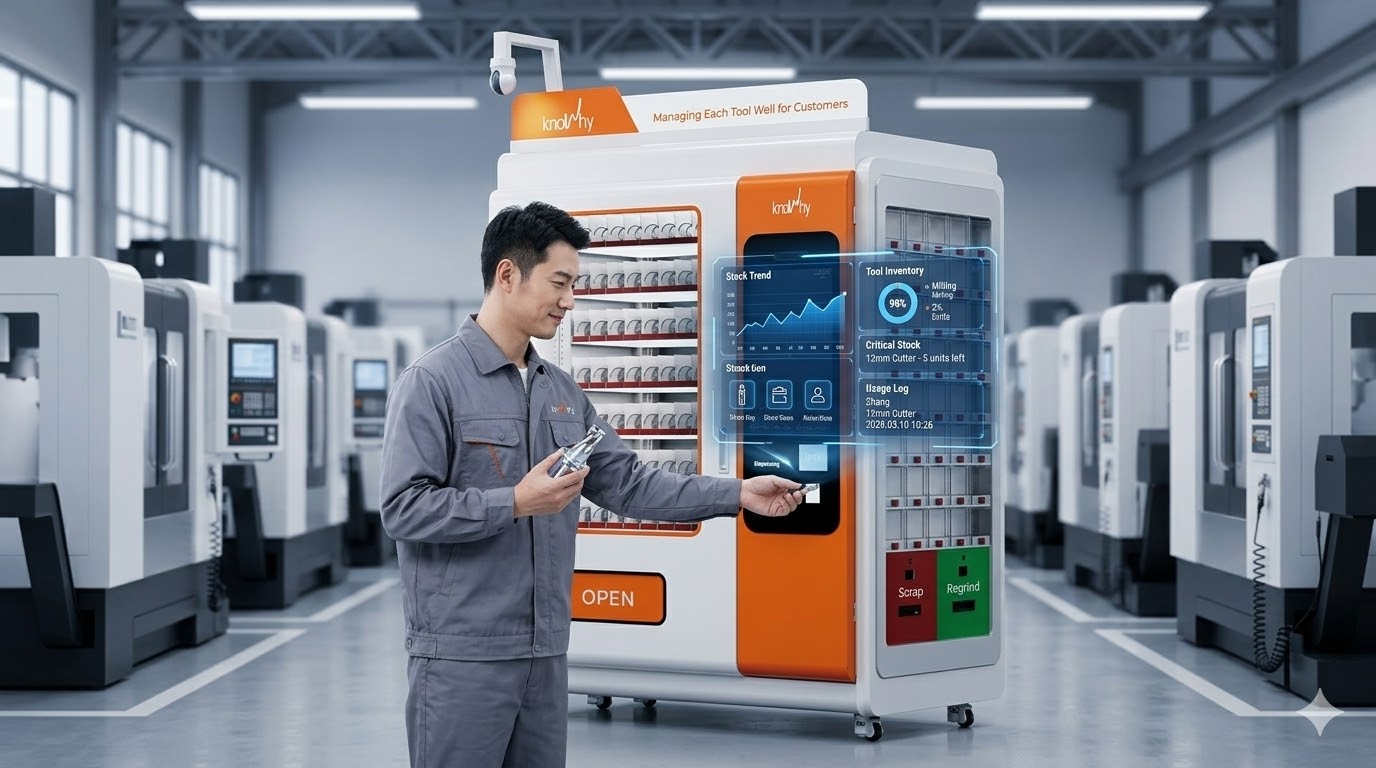
Once tools are properly recorded, tracked, and analyzed, the cutting process becomes a continuously optimizable system for the first time.
This is why more machining companies are deploying tool management systems and smart tool cabinets.
Keyword 3: AI + Manufacturing
AI in Production Requires Real Data First
Another frequently mentioned topic during this year’s Two Sessions was “AI + manufacturing.”
In the coming years, artificial intelligence will enter more and more areas of industrial production.
But in machining, there is a very practical prerequisite before AI can deliver real value:
It needs real production data.
For example:
Tool lifespan data
Tool replacement records
Process–tool matching relationships
Cutting consumption models
Without this data, even the most advanced algorithms cannot function effectively.
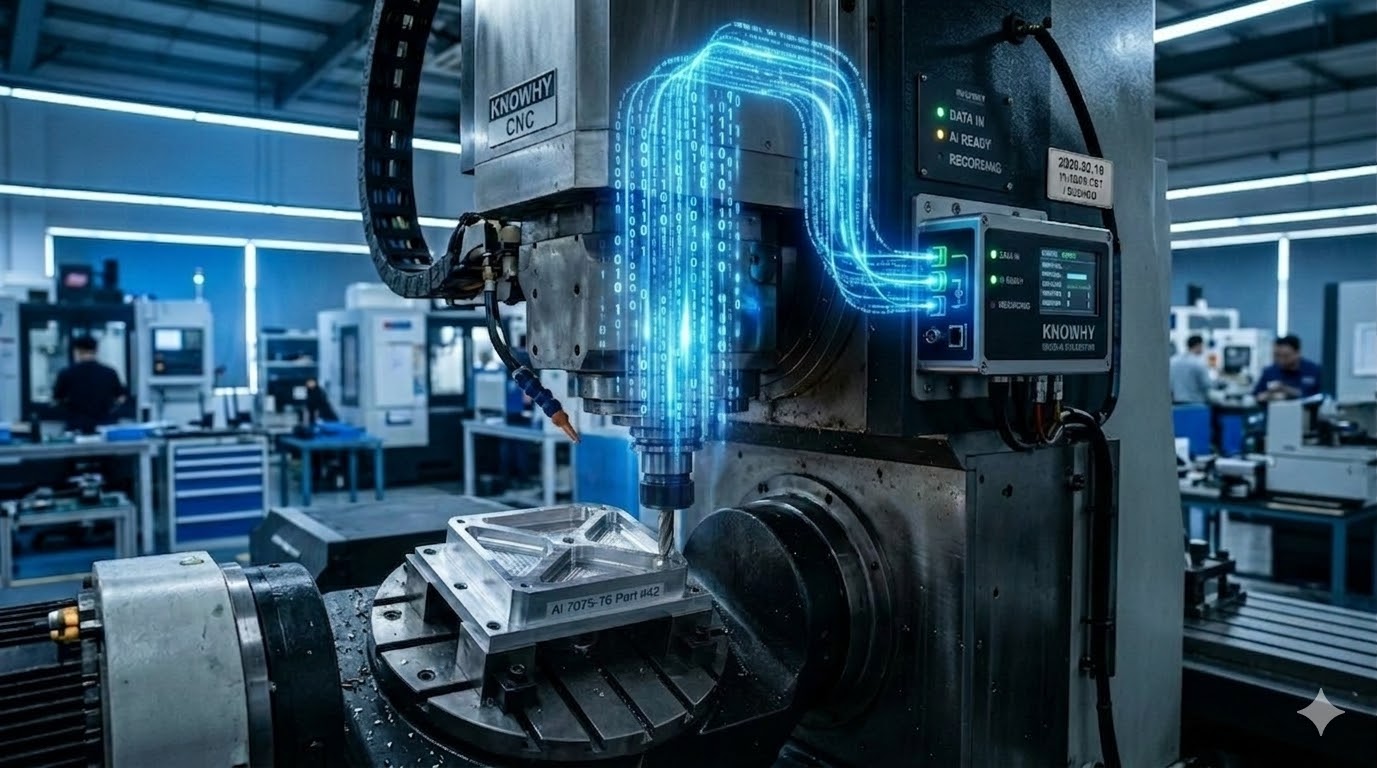
In reality, what many companies are currently building is not AI itself, but the data foundation of production.
And tool management systems are one of the most important entry points for generating this data.
Conclusion
From the macro policy signals of the Two Sessions to the real challenges on the machining shop floor, manufacturing transformation is not as abstract as it may seem.
In many cases, it begins with small but fundamental questions:
Is every tool properly managed?
Is every cutting process accurately recorded?
Can every process plan be reused and optimized?

When these details become systemized, manufacturers begin to build their own sustainable efficiency advantages.
In recent years, more machining companies have started to rethink cutting management.
Because they are gradually realizing a simple truth:
High-quality manufacturing often begins with managing every single cut.
How does your factory manage tooling today?
Feel free to share your experience in the comments.